Why Structural Design and Detailing Are Non-Negotiable for Construction in Darjeeling and Kalimpong
Building a dream home in the breathtaking hills of Darjeeling and Kalimpong comes with an unmatched view of the Himalayas. However, the very landscapes that make these regions idyllic also present some of the most severe geological and environmental challenges on the planet.
In this terrain, structural design and precise engineering detailing are not mere regulatory boxes to check—they are absolute lifelines.
With the entire Himalayan arc now classified under Seismic Zone VI (India's highest and most dangerous earthquake-risk category) alongside steep slopes and torrential monsoons, casual construction is a recipe for disaster. The core reasons why meticulous structural design and detailing are entirely non-negotiable in Darjeeling and Kalimpong include:
1. The Reality of Seismic Zone VI (Extreme Earthquake Risk)
Both Darjeeling and Kalimpong sit squarely within Zone VI, the newly designated maximum seismic hazard category under updated national standards (IS 1893).
The Danger: Continuous tectonic convergence along the Himalayan front means the region stores immense energy capable of generating massive earthquakes. Unengineered masonry or poorly designed buildings will shatter under the intense lateral and vertical shaking of a Zone VI tremor.
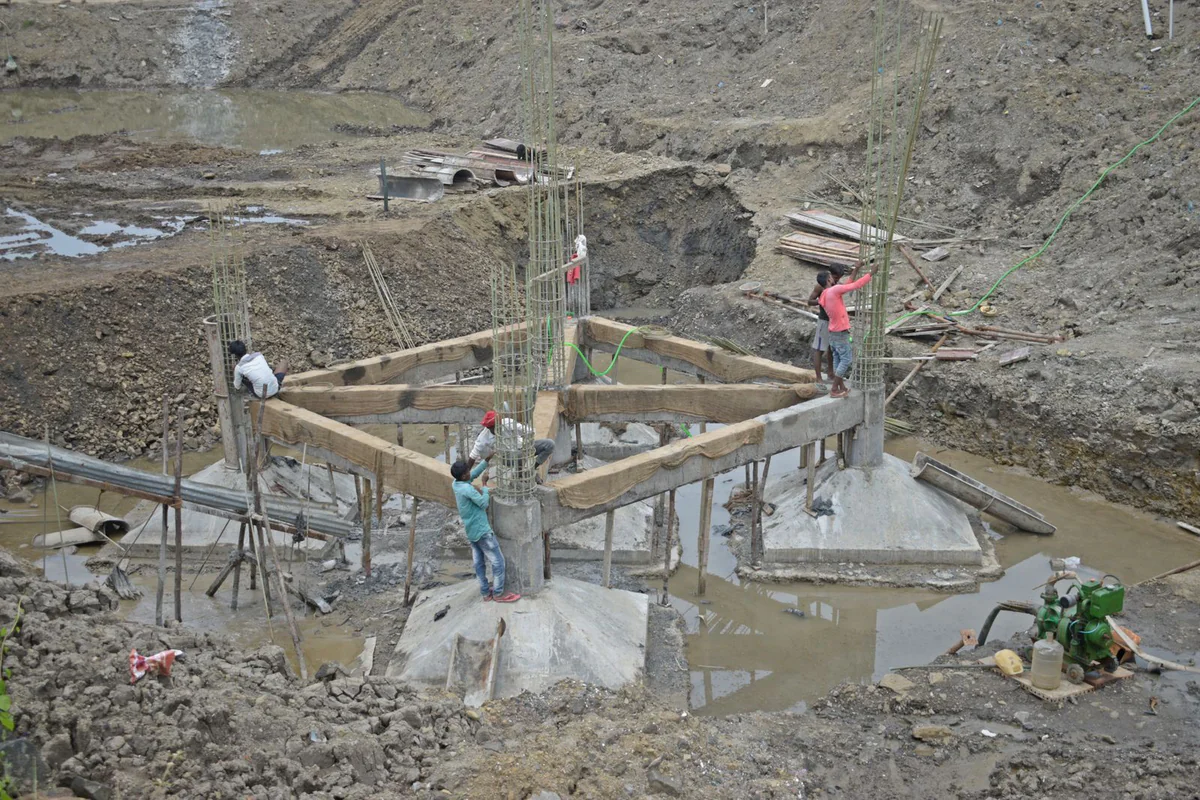
The Engineering Solution: Structural design under Zone VI requires complex calculations for lateral force resistance. Engineers use ductile detailing—such as specialized steel reinforcement layouts, confinement hoops, and moment-resisting concrete frames—allowing the building to flex, absorb, and dissipate seismic shock rather than rigidly collapsing.
2. Unstable Slopes and Landslide Vulnerability
The terrain across the hills features steep gradients, weathered rock strata, and loose, sloping topsoils.
The Danger: Cutting into a hill to carve out a flat foundation disturbs its centuries-old natural equilibrium. Without robust engineering, the immense weight of a structure combined with heavy soil saturation can trigger slope displacement, soil slips, or catastrophic landslides that drag an entire building down the mountain.
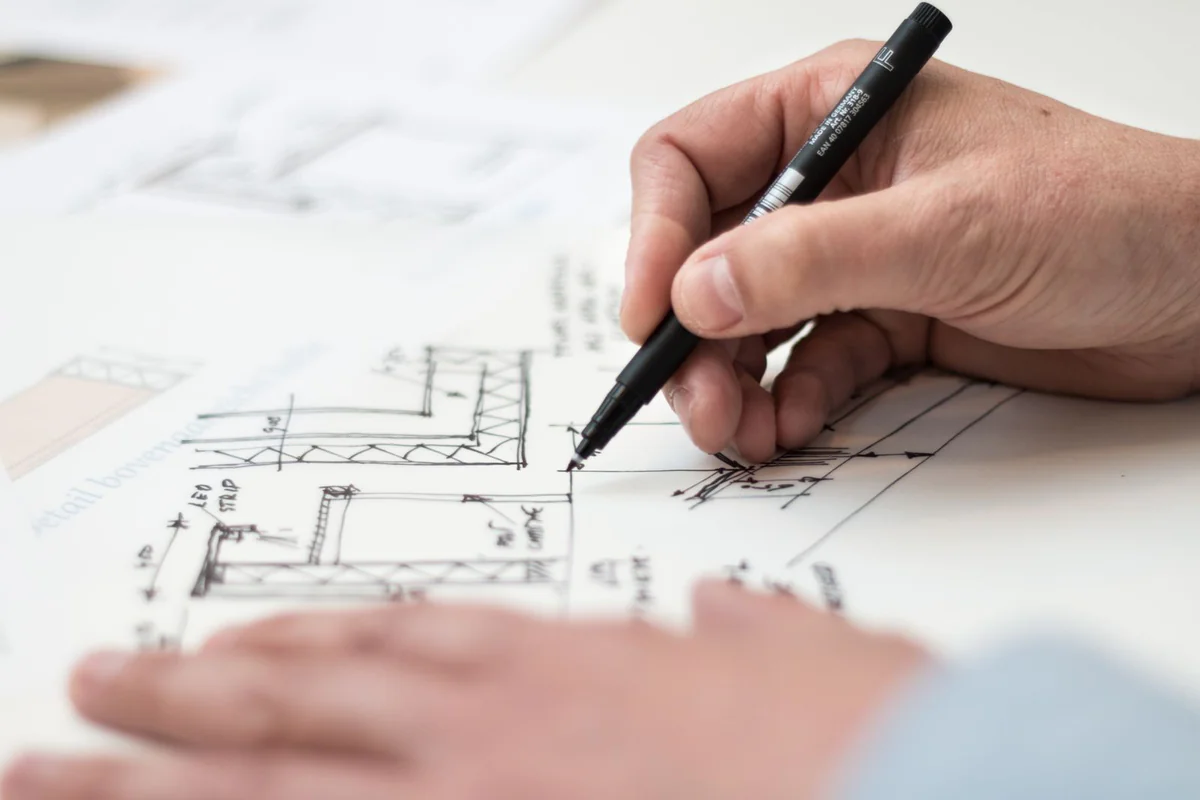
The Engineering Solution: Detailed structural blueprints mandate engineered retaining walls, breast walls, and deep foundation footings anchored securely into stable bedrock or compacted strata to lock the building's footprint in place.
3. Torrential Monsoons and Water Dynamics
Darjeeling and Kalimpong experience aggressive, relentless monsoon downpours, often featuring localized cloudbursts.
The Danger: Water is the primary trigger for hill slope failure. When rainwater accumulates behind retaining walls and underneath foundations without a clear path to escape, it creates immense hydrostatic pressure, leading to soil liquefaction and sudden wall blowouts.
The Engineering Solution: Comprehensive detailing includes precise drainage planning—such as weep holes in retaining walls, waterproof foundation seals, and engineered diversion channels for natural mountain runoff (jhoras)—to ensure water flows harmlessly away from the property.
4. Multi-Story Strains on Restricted Footprints
Because hill plots are typically compact and terraced, property owners frequently build upward (such as G+2 structures and above) to maximize their living space.
The Danger: Stacking multiple floors concentrates massive gravitational and seismic loads onto a small base. If load paths, column alignments, and slab connections are uncalculated, differential settlement occurs, causing the building to tilt, crack, or suffer structural failure.
The Engineering Solution: Detailed structural design ensures that every ounce of weight is mathematically accounted for, evenly distributed through a cohesive skeletal framework, and safely transferred down to the deep earth.
Summary
In the high-stakes environment of Darjeeling and Kalimpong's Zone VI terrain, a building is only as safe as the engineering hidden beneath its surface. Investing in comprehensive soil testing, professional structural blueprints, and rigorous detailing ensures your home can stand firm against shifting earth and fierce mountain elements—protecting your family, your investment, and your community for generations to come.