Why Soil Testing is Absolutely Vital for Construction in the Hilly Terrain of Darjeeling and Kalimpong
When planning a home or a multi-story building in the mountains, most people focus heavily on what goes above the ground—the architecture, room layouts, and exterior views. However, in the fragile and geologically complex hill terrain of Darjeeling and Kalimpong, the most critical factor determining whether your building stands strong or suffers catastrophic failure lies hidden meters beneath the surface.
With both districts now falling under Seismic Zone VI (India's highest earthquake hazard category) and featuring steep, unpredictable slopes, soil testing is not an optional formality; it is the absolute bedrock of structural safety.
1. Highly Variable and Fragile Sub-Surface Strata
Unlike flat plains where soil composition is relatively uniform over large areas, hill geology varies dramatically even within a single plot of land.
The Reality: A hill slope is rarely made of solid, uniform rock. It often consists of a mix of weathered rock, loose debris, colluvium, clay, and sandy soil layers formed over centuries of weathering and erosion. One corner of your plot might hit stable bedrock at 3 feet, while the other corner might sit on loose, shifting soil down to 15 feet.
Why Soil Testing Matters: A geotechnical soil test reveals the exact layering, density, and physical properties beneath your specific footprint, preventing builders from making dangerous, uniform assumptions about what holds the foundation.
2. Determining the True Bearing Capacity (Safe Load Limit)
Because land plots in Darjeeling and Kalimpong are often compact and terraced, property owners frequently build upward (such as G+2 structures and higher), concentrating massive vertical loads onto a small area.
The Reality: If you build a heavy multi-story structure on soil whose bearing capacity is unknown, the ground may compress unevenly under the weight.
Why Soil Testing Matters: Soil testing calculates the exact Safe Bearing Capacity (SBC) of the ground. Armed with this data, a structural engineer can design the correct footing size, thickness, and depth, ensuring the building rests securely without sinking or suffering differential settlement (where one part of the building drops lower than the rest, causing severe cracking).
3. High Risk of Slope Instability and Landslides
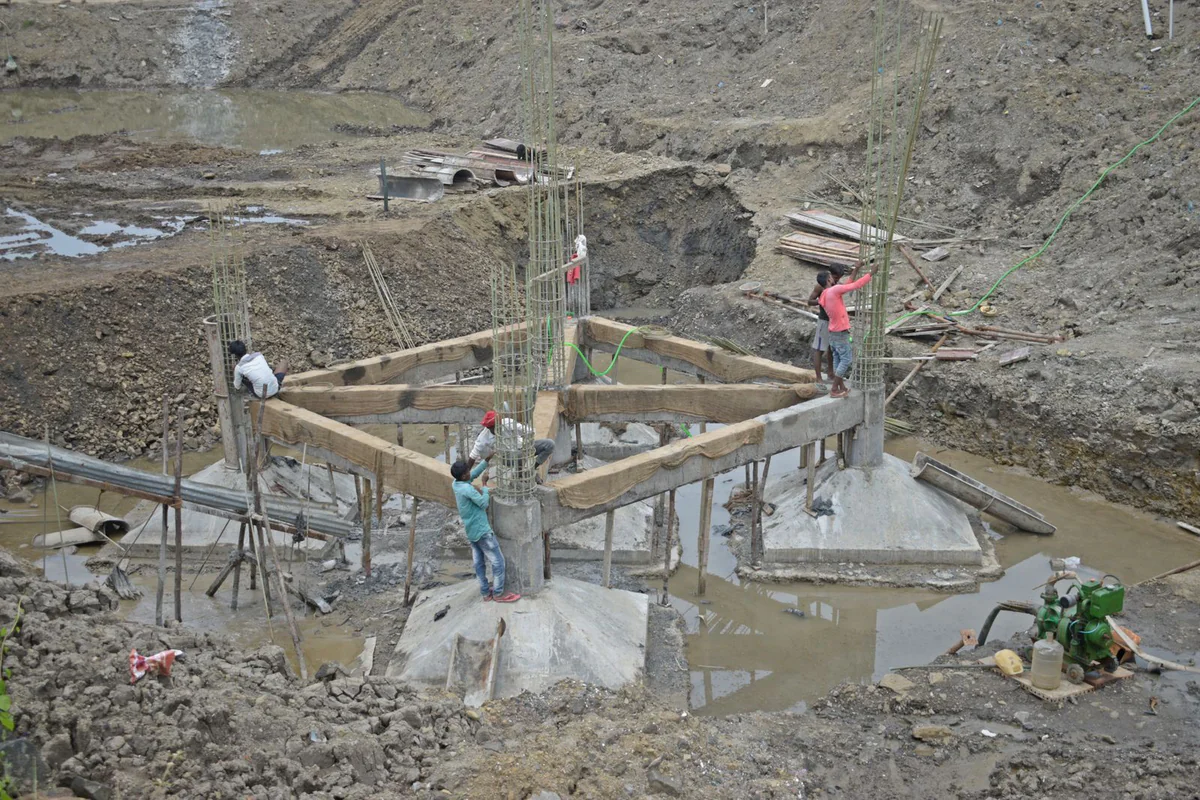
Cutting into a hill to create a flat pad for construction alters the natural equilibrium of the slope.
The Reality: The weight of a building, combined with loose or unengineered sub-surface soil, can easily trigger slope displacement, mudslides, or sudden landslides—especially during heavy monsoon rains.
Why Soil Testing Matters: Soil analysis evaluates the shear strength and internal friction angle of the earth. This data is mandatory for engineering safe, heavy-duty retaining walls and deep foundation anchoring (such as pile foundations or anchored footings) that lock the building directly into stable strata rather than floating it on superficial topsoil.
4. Managing Groundwater and Hydrostatic Pressure
Water is the greatest enemy of hill stability, and Darjeeling and Kalimpong experience aggressive, torrential monsoons.
The Reality: Sub-surface water movement can saturate certain soil layers, drastically lowering their strength and turning compacted earth into a muddy, fluid mass (liquefaction or slope creep).
Why Soil Testing Matters: A geotechnical report identifies the water table level, soil permeability, and moisture retention properties. This allows engineers to design necessary drainage pathways, waterproofing barriers, and weep holes to prevent water from accumulating and destroying the foundation's grip.
5. Compliance with Zone VI and Panchayat Approvals
Given the severe seismic risks of Zone VI, local district and block engineering authorities (Zilla Parishad / Panchayat Samiti) across Darjeeling and Kalimpong have tightened oversight.
The Reality: Panchayat building approval bodies will frequently reject unverified building blueprints for multi-story structures if they lack a certified soil test report and professional structural design.
Why Soil Testing Matters: A certified geotechnical soil report acts as your legal shield and engineering baseline, ensuring that your architectural and structural drawings comply with modern seismic and hill safety codes.
Summary
In the high-stakes environment of Darjeeling and Kalimpong, guessing what lies beneath your feet is a gamble no property owner should take. Investing in a professional soil test before drawing up your blueprints ensures that your foundation is custom-engineered for the earth it rests upon—protecting your investment, your family, and your peace of mind against the forces of Zone VI and the shifting Himalayan terrain.